Responsible Travel in Northern Pakistan: Etiquette, Environment and Safety
The mountain valleys of northern Pakistan are home to communities with strong traditions of hospitality, and to fragile landscapes such as glaciers, alpine meadows and high plateaus. A few simple habits make a big difference to the people you meet and to the places you visit.
This guide covers local etiquette, how to handle waste and water in the mountains, wildlife, supporting the local economy, and staying safe and well informed.
Dress and everyday etiquette
Pakistan is a conservative country, and modest dress is the simplest way to show respect. For both men and women, clothing that covers the shoulders and knees is appropriate in towns and villages; loose trousers and long shirts are comfortable and practical. Women will find a light scarf useful, and it is expected when entering mosques and shrines. Many visitors buy a shalwar kameez locally, which is comfortable and widely appreciated.
- Greet people with the standard greeting 'assalam-o-alaikum'; it is used everywhere.
- Use your right hand for eating and for giving and receiving things.
- Remove your shoes when entering mosques, shrines and many homes.
- Public displays of affection are best avoided.
- Alcohol is not part of public life in most of Pakistan; do not drink in public.
- During Ramadan, avoid eating, drinking or smoking in public during daylight; see our guide to Ramadan, Eid and public holidays.
Communities and culture
The north is home to many peoples, languages and religious communities, from the Burusho of Hunza and the Wakhi of upper Hunza to the Balti of Baltistan and the Kalash of the Chitral valleys. Our guide to the peoples and languages of northern Pakistan is a good introduction.
Hospitality is deeply valued, and you may be invited for tea. Accepting is a pleasure; a small gift or simply genuine interest is appreciated. In the Kalash valleys, remember that festivals are religious occasions as well as celebrations: watch respectfully, ask before photographing, and follow your guide's advice about where visitors may go.
Photography
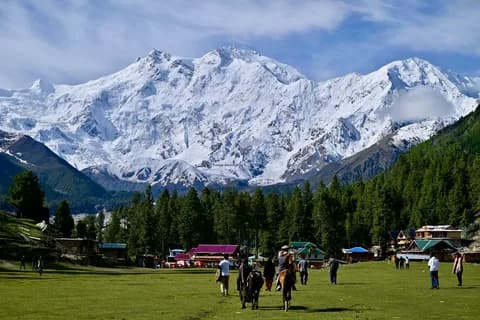
Always ask before photographing people, and do not photograph women unless clearly invited. Avoid photographing military sites, checkpoints and soldiers. Our photography guide explains the rules on drones, which are tightly controlled.
Waste, water and the mountain environment
Carry out what you bring in
Rubbish left on trekking routes, especially on busy glaciers such as the Baltoro, is a long-standing problem in the Karakoram. Carry your rubbish out, including wrappers, batteries and tissues, and support the crew's arrangements for waste at camp. Several of our treks include a toilet tent; use it, and where there is none, follow your guide's advice and stay well away from water.
Reduce plastic bottles
Bottled water creates large amounts of plastic in places with no recycling. Carry a refillable bottle and a filter, purifier or tablets, and refill from treated or boiled water. Our guide to food and drinking water explains the options.
Protect water sources and meadows
Do not wash with soap directly in streams and lakes. Stay on existing paths and jeep tracks, especially on the Deosai plateau, where vehicle tracks scar the grassland for years.
Wildlife
Never feed wildlife, including the golden marmots that may approach on Deosai and around the Khunjerab Pass. Keep your distance, keep noise down and never pursue an animal for a photograph. Our guide to wildlife in northern Pakistan describes the species you may see.
Supporting local people
- Buy handicrafts, dried fruit and local products directly from local shops and makers, for example in the Karimabad bazaar.
- Treat porters and crews fairly: pack within your allowance and tip at the end of the trek. Our guide to porters, guides and cooks explains the customs.
- Eat local food; it supports local cooks and producers and is often the best food on the trip.
- Ask before entering fields, orchards and private land, and close gates behind you.
Staying safe and informed
Check your government's official travel advice before you book and again before you travel, because advice for specific regions can change. Our guide to official travel advice and entry rules lists where to look. Carry your passport and copies of your passport and visa on road journeys; police checkpoints on the Karakoram Highway and elsewhere often record foreign travellers' details. Follow your guide's advice about roads, weather and local conditions, which can change quickly in the mountains.
A short checklist before you travel
- Pack modest, comfortable clothing and a light scarf.
- Bring a refillable bottle and a water filter or purification tablets.
- Carry a small bag for your own rubbish on walks and treks.
- Bring some Pakistani rupees in small notes for tips and local purchases.
- Leave the drone at home unless you have official clearance.
- Read the official travel advice for your country shortly before departure.
- Learn a greeting and a few words of thanks; your guide can help with the local language of each valley.
Frequently asked questions
What should women wear in northern Pakistan?
Loose clothing that covers the shoulders, arms and legs, with a scarf for mosques and shrines. A shalwar kameez is comfortable and practical, and many visitors buy one locally.
Can I drink alcohol in Pakistan?
Alcohol is not part of public life in most of the country. Do not drink in public, and check with us about the rules where you are staying.
How can I reduce my impact on a trek?
Carry out your rubbish, use the toilet arrangements, treat water instead of buying bottles, stay on paths and treat your crew well.
Is it rude to refuse tea?
Not if you decline politely, but accepting when you can is a good way to meet people, and refusing repeatedly can seem distant.
Do I need to carry my passport?
Yes, carry it with copies of your passport and visa on road journeys, since checkpoints often record the details of foreign travellers.
Travel with us
Our team is based in Skardu, and we are happy to brief you on local customs before and during your trip. Browse our tours and treks, or ask us anything through the contact page.