
How to Prepare for the K2 Base Camp Trek
The K2 Base Camp trek is not technical, but it is long, high and remote: our published itinerary spends thirteen nights in tents, most of them on or beside the Baltoro glacier, and reaches K2 base camp at about 5,150 m. Good preparation means building the endurance to walk on rough moraine day after day, arriving with the right kit, and understanding how the itinerary handles altitude and weather.
This guide sets out what to train for, what to pack, and what to expect from the first flight to the last jeep ride, based on the day-by-day plan of our 18-day trek.
Know the shape of the trek
Understanding the stages makes training more specific. In the K2 Base Camp Trek itinerary the group flies from Islamabad to Skardu, spends a preparation day there, and drives by jeep through the Shigar valley to Askole, at about 3,000 m the last village. From Askole the walk goes to Jhola and Paiju, where a rest day is built in; Paiju is the last camp with greenery. The route then climbs onto the Baltoro glacier, via Khoburtse and the Goro and Urdukas area, to Concordia, the glacier junction ringed by K2, Broad Peak, the Gasherbrums and Chogolisa.
From Concordia a full day is spent walking to K2 base camp and back, because the itinerary does not sleep at base camp. A reserve day follows for weather or acclimatisation, and four days of walking return the group to Askole. The K2 Base Camp and Gondogoro La trek follows the same inward route but leaves over the Gondogoro La towards Hushe instead of retracing its steps, which adds a high pass crossing to the preparation list.
What the terrain asks of your body
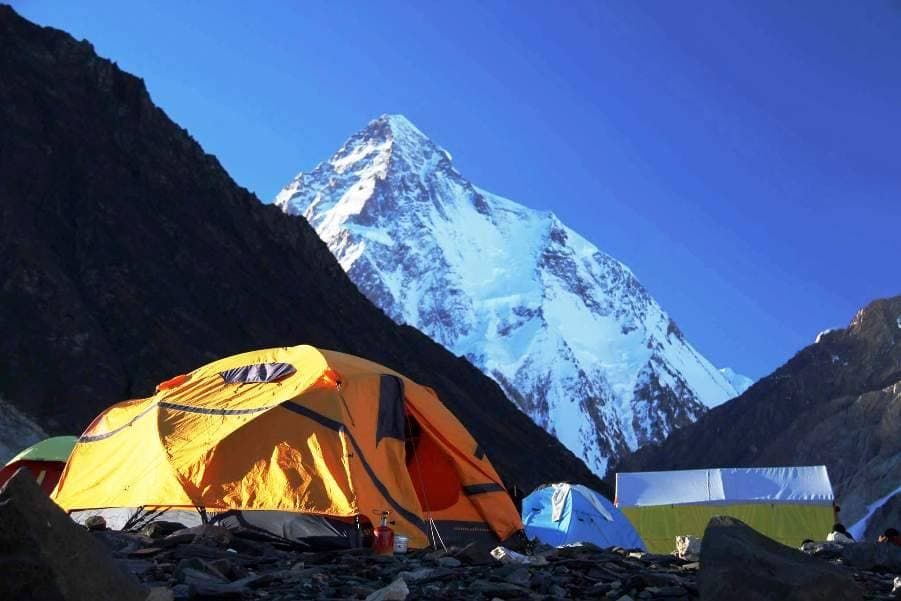
The Baltoro is a glacier covered in rock. Much of the walking is over loose stones, ridges of moraine and occasional bare ice, with meltwater streams to cross. Paths shift from year to year as the glacier moves, so the trail is rarely smooth and the footing demands constant attention. Daily walking times vary, but expect several hours on most days and a long day for the base camp excursion.
That means the most useful fitness is endurance over consecutive days, strong legs and ankles for uneven ground, and the ability to keep a steady pace at altitude. Raw speed matters much less.
A practical training approach
- Start several months ahead and build gradually. Long walks with a light pack on hilly ground are the core of the plan.
- Include back-to-back days: two or three long walking days in a row teach your body and feet what the trek feels like.
- Train on rough ground where you can, such as rocky trails or scree, to strengthen ankles and build confidence in footing.
- Add stair climbing or hill repeats for leg strength, and some general strength work for the core and knees.
- Walk in the boots you will trek in, so they and your feet are broken in long before Askole.
- If you have a medical condition, or have not exercised regularly for some time, get a check-up before you start.
Altitude cannot be trained at home
Fitness helps you cope with the effort, but it does not protect you from altitude illness. The itinerary manages altitude with a gradual ascent, the rest day at Paiju, the day-trip approach to base camp and a reserve day at Concordia. Your part is to walk slowly, report symptoms early and follow the guide's decisions. Read our guide to altitude sickness on Pakistan treks before you travel.
Gear: what is provided and what you bring
The trek's inclusions list camping equipment (tents, kitchen tent, dining tent and mattresses), meals on the trek served by cook staff, porters for personal luggage and camping equipment, the K2 base camp trekking permit and the Central Karakoram National Park fee. The exclusions list your sleeping bag, climbing gear, personal insurance and helicopter rescue fees, so those are your responsibility.
- Weight matters: on several of our treks the inclusions list a 16 kg porter allowance for each member's gear, charged separately above that. Confirm the allowance for your trek and pack to it.
- Our general mountain travel packing list covers clothing for the rest of the trip.
Personal kit checklist
- A sleeping bag rated for nights well below freezing; Concordia and base camp are cold even in summer.
- Broken-in trekking boots with ankle support, plus lighter shoes or sandals for camp and stream crossings.
- Layers: base layers, a warm fleece, an insulated down jacket, and a waterproof and windproof shell.
- Warm hat, sun hat, gloves in two weights, and gaiters for snow and scree.
- High-protection sunglasses suitable for glacier glare, high-factor sunscreen and lip protection.
- Trekking poles, a head torch with spare batteries, and a daypack for what you carry while the porters go ahead.
- Water bottles and a way to treat water, a personal first-aid kit, blister care and any prescription medicines.
The start: flight or road to Skardu
The flight from Islamabad to Skardu depends on clear weather in the mountains. The itinerary says so plainly: if the flight is cancelled, the group drives instead via Chilas and the Babusar Pass. Build that uncertainty into your plans by not booking tight international connections at either end of the trip; our guide to Islamabad to Skardu flights explains how the fallback works.
The exclusions also note that unforeseen extra nights, for example because of a roadblock or a longer stay at base camp, are charged by the day. A small contingency budget and a few spare days in your schedule remove most of the stress from these situations.
Paperwork and insurance
- The K2 trek is listed in a restricted zone that requires a permit; the trekking permit is included in the programme, and we need your passport and visa details well in advance to arrange it.
- Take out travel insurance that explicitly covers trekking at the trek's altitude and helicopter evacuation, since rescue fees are not included. Our guide to travel insurance for treks lists what to check.
- Check entry rules and travel advice for your nationality on official sources before you book flights.
Frequently asked questions
How fit do I need to be for K2 Base Camp?
You need to be able to walk for several hours a day, for many days in a row, on rough and unstable ground at altitude. You do not need climbing skills. Regular hiking with back-to-back long days is the best preparation.
How long should I train?
Most trekkers benefit from a gradual build over several months. The right length depends on your starting fitness; if you already hike regularly, focus on longer days and rough terrain rather than starting from scratch.
Do we sleep at K2 base camp?
No. Our itinerary walks from Concordia to K2 base camp and back in one day, because sleeping at base camp adds altitude without benefit for trekkers.
What happens if the Skardu flight is cancelled?
The itinerary switches to the road via Chilas and the Babusar Pass. The plan already allows for this, but it is why we recommend flexible international flights.
Is the Gondogoro La harder than the standard trek?
Yes. It adds a high glaciated pass crossing on the way out, so it suits trekkers with some experience of steep snow and altitude. The Hushe valley treks guide describes the other side of the pass.
Next step
If you are considering K2 Base Camp, tell us about your recent treks and the highest altitude you have slept at, and we will talk through whether the standard route or the Gondogoro La version suits you. You can compare the two in our guide to treks from Askole or contact us through the enquiry form.